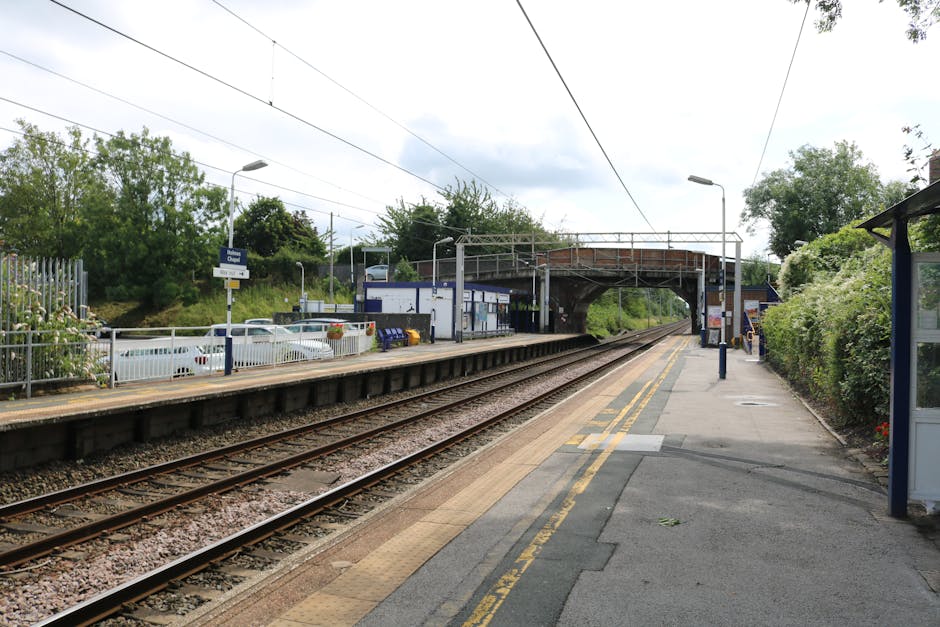
Purley Oaks Station verge and front garden gardeners guide
If you live near Purley Oaks Station, or you manage a front garden that edges onto a busy pavement or roadside strip, the work can feel oddly delicate. One week the verge looks tidy and welcoming; the next, a few overgrown stems, muddy footprints, and a patchy lawn make the whole frontage look tired. This Purley Oaks Station verge and front garden gardeners guide is here to make that job easier, safer, and a lot more predictable.
Front garden and verge care is not just about "making it look nice". It affects access, kerb appeal, drainage, neighbour relations, and the first impression people get when they pass by in the morning rush. It also needs a bit of judgement. What should be cut back? What should be left alone? How do you keep things neat without damaging roots, blocks, edging, or street furniture? Let's get into it properly.
For homeowners who want a broader maintenance plan, it can help to think of this as part of your wider garden maintenance routine rather than a one-off tidy-up. That mindset usually saves time, and to be fair, it saves a few headaches too.
Table of Contents
- Why Purley Oaks Station verge and front garden gardeners guide Matters
- How Purley Oaks Station verge and front garden gardeners guide Works
- Key Benefits and Practical Advantages
- Who This Is For and When It Makes Sense
- Step-by-Step Guidance
- Expert Tips for Better Results
- Common Mistakes to Avoid
- Tools, Resources and Recommendations
- Law, Compliance, Standards, or Best Practice
- Options, Methods, or Comparison Table
- Case Study or Real-World Example
- Practical Checklist
- Conclusion
- Frequently Asked Questions
Why Purley Oaks Station verge and front garden gardeners guide Matters
Front gardens near stations and main walking routes get more visual traffic than most people realise. In the school-run hour, on commuter mornings, and in that slightly grim late-afternoon drizzle, a small verge or frontage can either lift the street or drag it down. A neat edge, healthy planting, and a clear path instantly make a property feel looked after.
But there is more going on than appearance. Verge and front garden work often involves shared boundaries, utility covers, pavement edges, overhanging shrubs, and public sightlines. In other words, it is not always a simple "mow and go" job. A neat finish matters, but so does doing the work in a way that avoids damage, complaints, or repeated re-growth. Anyone who has chopped a shrub too hard in spring and then spent the next six weeks staring at an awkward bare patch knows the feeling.
For many households, the front garden is also the easiest place for maintenance to slip. The back garden may be private, protected from view, and easier to ignore. The front, not so much. It is right there. Every day. If it starts to look messy, the whole property feels it.
That is why the right approach needs structure: regular edging, sensible pruning, seasonal weed control, and a plan for grass, hedges, and hard surfaces. If the frontage is heavily overgrown, a proper garden clearance can be the clean reset that makes everything else easier.
Expert summary: The best verge and front garden work is quiet, consistent, and slightly boring in the best possible way. You want it tidy enough that nobody notices the maintenance, only the result.
How Purley Oaks Station verge and front garden gardeners guide Works
The practical process is simpler than it sounds, but it works best when it follows a routine. Start by looking at the whole frontage, not just the visible grass or hedge. Check the soil edge, any boundary wall, the pavement line, drainage channels, the condition of planting beds, and whether anything is blocking access or sightlines.
From there, the job usually breaks into a few pieces:
- Surface tidying: sweeping leaves, removing litter, clearing weeds from joints and edges, and resetting a clean line against paths or kerbs.
- Plant control: trimming hedges, reducing stray stems, shaping shrubs, and keeping climbers away from windows, railings, or lights.
- Grass management: cutting the lawn or verge at the right height, edging properly, and avoiding scalping on uneven ground.
- Structural checks: looking for loose slabs, cracked edging, pooling water, root lift, and other small problems that become big if ignored.
- Seasonal maintenance: adjusting the work through spring, summer, autumn, and the colder months.
That sounds straightforward, and most of the time it is. The catch is timing. A verge near a station gets dusty, trampled, and compacted more quickly than a sheltered rear lawn. So the same patch may need more frequent edging, gentler pruning, and quicker litter removal than a normal front border.
If the frontage includes taller hedges or mature shrubs, the approach may need specialist trimming rather than a basic tidy. In that case, a service such as hedge trimming can be the difference between a smart, balanced shape and a rather lopsided haircut. We have all seen the latter. Nobody really wants that.
Key Benefits and Practical Advantages
A well-kept front garden verge does several jobs at once. It looks better, works better, and often costs less to maintain over time because small problems do not get a chance to snowball.
- Better kerb appeal: A tidy front instantly improves how the property feels from the street.
- Safer access: Clear paths, edges, and sightlines reduce trip hazards and awkward squeeze points.
- Lower long-term effort: Regular maintenance is usually easier than rescuing an overgrown verge later.
- Healthier planting: Correct pruning and cleaning help shrubs, hedges, and borders recover well.
- Less neighbour friction: Well-managed boundaries and overhangs are less likely to cause awkward conversations.
- Cleaner drainage and surfaces: Leaf litter, mud, and weed growth can be controlled before they spread.
There is also a less obvious benefit: rhythm. When a frontage is maintained in a steady cycle, you stop reacting to it and start managing it. That mental shift matters. One small visit every few weeks can feel lighter and cheaper than waiting until the whole thing has gone wild.
For households wanting a broader outdoor refresh, front garden care often sits neatly alongside landscaping or landscape gardening work, especially where planting schemes, borders, or paths need improving as well as maintaining.
Who This Is For and When It Makes Sense
This guide is useful if you are any of the following:
- A homeowner with a small front garden close to the station or a busy street.
- A landlord trying to keep a rental property presentable and low-fuss.
- A resident with a hedge, lawn, or planted strip that gets messy quickly.
- Someone managing an entrance area that is part private, part public-facing.
- A person who wants a maintenance routine but does not want a full redesign.
It also makes sense if your frontage is already edging toward "slightly neglected". Truth be told, that is when a proper plan is most valuable. If the grass is patchy, the hedge is leaning, and weeds are pushing through the paving, you do not need drama. You need sequence. Clear first, then shape, then maintain.
For some properties, the best first step is simply a baseline tidy-up and disposal of waste. A focused services overview can help you see how the pieces fit together, especially if the front area needs more than mowing. In more neglected spaces, a tidy-through with garden clearance may be the sensible starting point before regular upkeep begins.
Step-by-Step Guidance
Here is a practical way to approach a verge or front garden without making it harder than it needs to be.
1. Walk the frontage slowly
Do not start with the mower or shears. Walk the area first. Notice where soil has sunk, where weeds are thickest, which plants are crowding the path, and whether any roots or edges are exposed. A five-minute survey can save an hour later. It sounds obvious. Still worth saying.
2. Clear loose debris and hidden rubbish
Pick up leaves, twigs, packaging, broken pots, and anything else that has drifted into the border or verge. This gives you a clean view of the surface and reduces the risk of damaging tools. If the space has been ignored for a while, start here before anything else.
3. Define the edges
Sharp edges make a front garden look cared for even if the planting is simple. Edge the lawn, border, or verge line carefully, following the natural boundary rather than forcing a straight line where the ground is uneven. On a slope or tight pavement edge, a neat, forgiving curve often looks better than a rigid line.
4. Cut grass at the right height
Do not scalp the grass just because it is the front. Shorter is not always smarter. A slightly higher cut usually looks tidier for longer and copes better with dry spells, foot traffic, and patchy soil. If the lawn needs routine care, a professional lawn mowing service can keep the frontage consistent through the season.
5. Shape hedges and shrubs gently
Trim back overhangs, keep windows and paths clear, and remove dead or awkward growth. Step back often. That pause matters. A hedge can look "fine" up close and still be off-balance from the street. This is where many people overdo it. A few careful cuts, then a rethink, usually beats one enthusiastic pass with the shears.
6. Weed and refresh the soil surface
Pull visible weeds, remove deep roots where practical, and top up mulch or decorative covering if the garden uses it. Mulch helps keep moisture in and weeds down, though it is not magic. It still needs checking.
7. Inspect the hardscape
Check for loose paving, blocked drain edges, broken planters, or loose gravel that may spread onto the pavement. Small repairs are worth dealing with promptly. They are exactly the sort of thing that gets worse after a wet week and a few footfalls.
8. Finish with a clean edge and waste removal
Once the visible work is done, sweep the path, collect cuttings, and remove green waste. A good finish is not a luxury; it is the part that makes the whole job feel complete. And yes, it makes a bigger difference than people expect.
Expert Tips for Better Results
These are the details that tend to separate a decent frontage from one that quietly looks good all year.
- Trim little and often: Front gardens near busy routes benefit more from regular light work than from heavy cuts.
- Work with the season: Spring growth is lively, summer dryness can expose weak lawns, and autumn brings leaf build-up fast.
- Watch the boundary line: A plant may be beautiful, but if it leans into the pavement it becomes a maintenance issue.
- Leave room for access: Bins, gates, meters, and pathways all need space. Obvious, yes, but easy to forget when shrubs get full.
- Use clean tools: Blunt or dirty blades tear growth and leave rough edges that look shabby.
- Plan waste handling early: A tidy finish is easier when you know where cuttings, soil, and sweepings are going.
One small trick that helps a lot: take a photo from the street before and after you work. Not for social media, just for judgement. It shows you what the eye gets used to and what it overlooks. Funny thing, that.
If your frontage includes decking, planters, or a paved seating spot, a coordinated approach can help the whole area feel intentional. In those cases, decking services may be relevant if you are thinking beyond plants and into the structure of the space.
Common Mistakes to Avoid
Most front garden problems are not caused by one disastrous event. They come from a chain of small mistakes.
- Cutting too hard: Over-pruning hedges and shrubs can leave them bare or uneven for months.
- Ignoring the verge edge: The strip where soil meets pavement is often where the whole frontage starts to look messy.
- Using the wrong mower height: Very low cuts can weaken grass, especially on exposed front lawns.
- Letting clippings stay put: Cuttings left on paths or beds can stain, compact, or rot into a slippery mess.
- Forgetting drainage: Blocked edges and compacted soil can create puddles and muddy tracks.
- Treating every visit like a full overhaul: Sometimes the smart move is maintenance, not reinvention.
Another common one: people wait until the frontage becomes embarrassing, then try to rescue it in one weekend. That can work, but it is much more tiring than a measured routine. Far less pleasant too, especially if the weather turns. Which, in this part of London, it often does.
Tools, Resources and Recommendations
You do not need a shed full of specialist gear to look after a front verge or garden. You do need the right basics and a sensible way to use them.
- Hand shears: Good for detail work on hedges, topiary, and stray growth near paths.
- Secateurs: Useful for small stems, deadheading, and selective pruning.
- String trimmer or edging tool: Helps sharpen lawn edges and tidier borders.
- Rake and stiff broom: Ideal for leaves, loose clippings, and grit.
- Gloves and eye protection: Simple, but worth wearing, especially near thorny shrubs or flying debris.
- Waste bags or bins: Makes the clean-up phase far smoother.
For ongoing care, a structured garden maintenance plan is often more useful than hiring help only when things look bad. It keeps the work predictable and tends to reduce stress. Not glamorous, perhaps, but it works.
If the frontage includes mature trees or branches hanging low over a path, you may also need advice on safe reduction or removal. In those cases, tree lopping and removal is the kind of work that should be considered carefully, especially where height, access, and safety are involved.
Law, Compliance, Standards, or Best Practice
When working on a verge or a front garden near a station route, it is wise to think beyond appearance. Public-facing boundaries can raise practical and safety issues, even if the area is mostly private.
Best practice in the UK generally means keeping the frontage safe for pedestrians, avoiding obstruction of footways, and being careful around shared boundaries, public access points, and services. If there are trees, larger shrubs, or hard landscaping, you should also be mindful of underground services, overhead lines, and the possibility of protected features. It is not always obvious on the surface, so caution is sensible.
If a hedge or shrub grows out toward the pavement, the key question is not just "Can I cut it?" but "How much is enough, and will the work leave the plant healthy?" That is where good judgement matters. Heavy reduction may be appropriate in some cases, but it should be done with a clear understanding of the plant's condition and the likely regrowth.
Safety also matters for tools, lifting, and waste handling. Good contractors will usually follow basic risk controls: clear work zones, sensible PPE, tidy stacking of cut material, and careful handling of sharp tools. You should expect that sort of professionalism. If you are comparing providers, it is reasonable to ask about health and safety policy and insurance and safety arrangements before anyone starts work.
For waste, greener practice usually means separating reusable materials where possible, reducing unnecessary disposal, and handling green waste responsibly. If sustainability matters to you, it is worth checking a provider's approach to recycling and sustainability. Small choice, big difference over time.
Options, Methods, or Comparison Table
Different frontages call for different levels of intervention. Here is a simple comparison to help you decide what fits.
| Approach | Best for | Typical strengths | Watch-outs |
|---|---|---|---|
| Light routine maintenance | Already tidy front gardens and verges | Quick, low-disruption, keeps shape under control | Can miss deeper issues if done too casually |
| Seasonal tidy-up | Frontages that look fine most of the year but slip in autumn or spring | Good balance of effort and impact | Still needs follow-up visits to stay neat |
| Full reset and clearance | Overgrown, cluttered, or neglected spaces | Creates a clean base for future care | More labour, more waste, more planning needed |
| Combined garden and frontage redesign | Homes wanting a stronger visual upgrade | Can improve layout, planting, and function together | Higher cost and more decisions to make |
For many households, the sweet spot is seasonal tidy-up plus light maintenance. That tends to keep the frontage looking looked after without turning it into a project every week.
Case Study or Real-World Example
Imagine a modest front garden near the station: a narrow lawn, a hedge along the boundary, two planted beds, and a bit of gravel that has slowly spread toward the pavement. Nothing dramatic. Just a space that has been quietly slipping.
At first glance, it looks like it needs "a big job". But once you break it down, the picture changes. The hedge only needs shaping, not replacing. The lawn needs edging and a cleaner cut height. The beds need weeds removed and mulch topped up. The gravel needs raking back into line. The whole place also needs a proper waste clear-out because the cuttings and old leaves have been sitting there too long.
That sort of situation is exactly where a measured approach works best. First, clear the clutter. Then restore shape. Then set a maintenance rhythm so the space does not drift back again. It sounds simple because, mostly, it is. The hard part is resisting the urge to do everything at once.
In cases like that, a provider that offers broader support across landscaping, lawn mowing, and garden clearance can make life much easier. One visit can solve several problems rather than just one.
Practical Checklist
Use this checklist before and after work on a verge or front garden.
- Walk the frontage and spot problem areas.
- Check for loose paving, hidden litter, and drainage issues.
- Clear leaves, twigs, and debris from paths and borders.
- Edge the lawn, verge, or border neatly.
- Trim hedges and shrubs without overcutting.
- Remove weeds from joints, borders, and the base of plants.
- Rake, sweep, and collect all cuttings.
- Review sightlines, access, and boundary overhangs.
- Dispose of waste responsibly.
- Set a follow-up date so the space does not slide back.
If your frontage is part of a larger property improvement plan, it may also be worth checking the provider's background through about us and looking at practical details such as pricing and quotes. Clear information usually tells you quite a lot.
Conclusion
A good front garden verge near Purley Oaks Station does not need to be elaborate. It needs to be tidy, safe, and easy to keep that way. If you can get the edges right, control the growth, and stay ahead of weeds and debris, the whole property feels calmer and more welcoming.
The real win is consistency. A little attention now and then, rather than a frantic rescue mission later. That is usually the smarter, cheaper, and less stressful path. And honestly, the street notices. People always notice.
If you want help turning an unruly frontage into something easier to manage, start with the basics, ask sensible questions, and choose maintenance that fits the space rather than fighting it.
Get a free quote today and see how much you can save.
A neat front garden has a quiet kind of charm. It does not shout. It just makes home feel looked after, which is a lovely thing to come back to on an ordinary evening.
Frequently Asked Questions
What is a verge and front garden gardening guide for Purley Oaks Station properties?
It is a practical guide for keeping the front boundary area, pavement edge, verge strip, and front garden tidy, safe, and easy to maintain. The focus is usually on edging, trimming, clearing, and sensible seasonal upkeep.
How often should a front garden near a station be maintained?
That depends on growth rate, foot traffic, and season, but front-facing spaces near busy routes often benefit from more frequent light maintenance rather than occasional heavy work.
Do verge and front garden jobs always need professional help?
No. Small tidying jobs can often be handled by a homeowner. Professional help makes more sense if the area is overgrown, includes tall hedges or trees, or needs clearance, safety checks, or waste removal.
What is the best way to stop a front garden looking messy too quickly?
Keep edges sharp, prune regularly, remove weeds early, and avoid letting clippings or leaves build up. A simple routine is usually more effective than a big seasonal tidy.
Can overgrown hedges near the pavement be cut back hard?
Sometimes, but it should be done carefully. Overcutting can leave gaps, stress the plant, and create an untidy result. Light shaping is often better unless a full reduction is genuinely needed.
What should I do first if my front garden has been neglected for months?
Start with clearance. Remove waste, weeds, and loose debris first, then assess what can be trimmed, restored, or reshaped. Working in the right order saves time and reduces mistakes.
How do I know whether I need garden clearance or routine maintenance?
If you can still see the structure of the garden clearly, maintenance may be enough. If plants, debris, or weeds are hiding the layout, a clearance step is usually the better starting point.
Is front garden verge work affected by safety or access concerns?
Yes. You need to think about pedestrian access, loose paving, trip hazards, hidden obstacles, and safe handling of tools and waste. Good practice is to keep the work area controlled and tidy.
What kind of tools are most useful for this type of work?
Hand shears, secateurs, a string trimmer or edging tool, a rake, a stiff broom, gloves, and waste bags usually cover the essentials for small to medium front gardens.
Can front garden work be combined with wider landscaping improvements?
Definitely. Many people start with tidying and then decide to improve planting, edging, paths, or layout. Front-facing spaces often benefit from a joined-up approach rather than piecemeal fixes.
How do I choose a gardener for a front verge or station-facing garden?
Look for clear communication, sensible planning, proper safety practices, and a service that fits the size and condition of the space. It helps if they can handle maintenance as well as heavier work when needed.
What makes a good front garden result in practical terms?
A good result looks neat from the street, allows easy access, keeps growth under control, and is simple to maintain afterwards. The best work is often the kind that stays looking good with minimal fuss.