Hedge Trimming in Purley

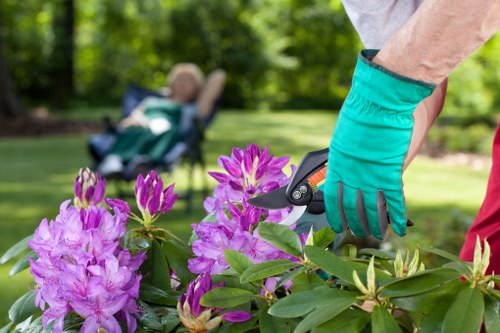
Hedge trimming in Purley means keeping boundary planting neat, healthy and shaped with care suited to the hedge’s species and growth pattern. We focus on the practical work that helps hedges stay tidy across gardens, frontages and property edges, including reduction, clipping, shaping and finish work that leaves a clear line without overcutting. Regular trimming can improve appearance, help manage size and support a healthier, denser structure when carried out with the right timing.
Our hedge trimming work is built around the condition of the hedge rather than a one-size-fits-all cut. Some hedges need light seasonal tidying, while others require stronger reduction because they have grown wide, high or uneven. We can also work on mixed boundary planting where one side needs a neat face and the other side needs more selective attention. If you are planning work, it can help to note the hedge height, approximate length and access points before asking for a quotation.
If you want a tidy finish and a clearer boundary line, start with a straightforward enquiry and tell us what needs attention. For a price reference, you can also review our pricing and quotes page before you get in touch.
Trimming for formal, informal and mixed hedges
Different hedge types need different handling, and the right trim depends on both the plant and the look you want to keep. Formal hedges usually need crisp, even faces and a consistent top line, while informal hedges may only need selective cutting to preserve a softer shape. Mixed boundaries can need a careful balance, especially where one section has become dominant or where several species meet. Good trimming respects those differences instead of forcing every hedge into the same outline.
We work to create a finish that suits the planting and the space around it. That may mean narrowing a hedge that has pushed into a path, levelling a top that has become uneven, or stepping back into the canopy far enough to bring the hedge back within a manageable width. When a boundary hedge is shared or visible from different angles, the final form matters as much as the height, so the cut needs a steady eye and measured restraint. The aim is clean, controlled shape, not unnecessary loss of healthy growth.
For hedges that need a clearer structure, we can also discuss related garden work such as garden maintenance when the trimming forms part of a wider seasonal tidy-up. In many cases, the hedge is only one part of the overall boundary picture, so combining tasks can help keep the finish consistent across the garden edge.
Height reduction, width control and seasonal cutting

Many hedge jobs are not just about appearance; they are about bringing growth back into a manageable range. Height reduction can improve light, make the boundary easier to maintain and prevent the hedge from becoming awkward to work around. Width control is equally important where a hedge starts to encroach on lawns, beds, driveways or paths. A thoughtful reduction usually leaves a better long-term result than repeated rough cutting at the same level.
Seasonal cutting also needs care because some hedges respond better at certain times than others. The right approach depends on the species, its growth rate and whether the hedge is being maintained lightly or corrected after a period of rapid growth. Where a hedge has been left too long between trims, the work may involve tidying the outer growth first and then shaping the body of the hedge in stages. That can give a more stable finish than trying to force the whole hedge back in one pass.
When a hedge is part of a broader boundary scheme, related services can help support the final result. For example, if trimming reveals overgrown planting or a more general change is needed, our landscape gardening page covers wider garden reshaping work that may sit alongside hedge care.
Finishing work, cuttings and access considerations
Hedge trimming is not complete until the finish has been checked and the cuttings are dealt with sensibly. The final tidy matters because loose arisings can make a clean hedge look unfinished, especially along front boundaries and entrances. Attention to edges, tops and lower growth helps the result look deliberate rather than hurried. We also consider access carefully, because awkward corners, narrow side passages and planted borders can affect how the work is carried out.
For a useful quotation, it helps to say what kind of access is available, whether the hedge is reachable from one side or both, and whether there are fragile surfaces nearby that need care. Photos can be helpful when a hedge is hard to describe, but they are not the only way to explain the job. If you can, note whether the hedge is decorative, privacy screening, or simply boundary growth that needs to be kept in check. Those details help us understand the scope without unnecessary back-and-forth.
If the hedge sits within a broader garden that also needs clearing or reshaping, you may find our garden clearance page useful for understanding how heavier outdoor tidying can be organised around the same visit. Clear communication at the outset tends to make the whole process smoother.
When a hedge needs more than a light trim
Not every hedge can be improved with a quick cut on the outer surface. Some have become sparse at the base, uneven after patchy growth or too woody for a purely cosmetic tidy. In those cases, trimming needs to be thoughtful so the hedge remains as balanced as possible. The work may include gradual reshaping, a more selective approach on one side, or a reduction that avoids exposing the hedge too abruptly. The point is to make the boundary more manageable while keeping it visually coherent.
There are also times when hedge care overlaps with tree work, especially where larger woody stems, self-seeded growth or taller structural branches are involved. If the boundary includes adjacent trees or the hedge has turned into a mixed line of woody growth, our tree lopping and removal page may be relevant alongside trimming. That does not mean every hedge job needs tree work; rather, it helps to recognise when the boundary has outgrown simple clipping.
In some gardens, a hedge is part of the same overall planting as lawns and beds, so finishing the hedge can draw attention to other areas that now need care. If you are planning a wider refresh, we can help shape the trimming so it fits with the rest of the outdoor space rather than standing out as a separate patch of work.
Shaping for privacy, light and neat boundaries

A hedge often needs to balance privacy with access to light and movement around the garden. Where a hedge is used as screening, the trim should usually keep enough density to remain effective while preventing the line from becoming bulky or overbearing. Where a hedge is closer to a path or entrance, the shape may need to be narrower and more upright to preserve usable space. The right solution depends on how the hedge functions in the garden, not just on how it looks from a distance.
Consistent shaping also helps when the hedge is visible from the street or forms a principal edge to the property. An even face and level top can make a strong difference to the appearance of the boundary, especially when the hedge has grown unevenly from season to season. We can discuss the degree of shaping needed so the cut reflects the existing structure of the hedge rather than creating harsh angles that will be difficult to maintain later.
For projects where the boundary planting is part of a larger garden scheme, our services overview gives a broader view of the kinds of outdoor work we handle. It can be helpful when you are deciding whether the hedge is the only task or part of a more substantial maintenance plan.
What influences the quotation for hedge trimming
Quotations for hedge trimming are usually shaped by practical factors rather than by a simple fixed formula. Hedge length, height, density and access all affect the amount of work involved. So does the level of finishing required: a light tidy on a regular hedge is very different from a reduction on a dense, mature boundary that needs reshaping. If cuttings need handling, that also forms part of the task. A clear description of the hedge and its condition helps produce a sensible quotation.
It is also useful to explain whether the hedge is one-sided or needs work on both sides, whether there are adjoining beds or fencing to protect, and whether the hedge has been maintained recently. That information helps set expectations about the method and the time required. We do not treat every hedge the same way, because a careful trim should reflect the plant’s current condition and the result you want to keep. Useful details at the enquiry stage make it easier to understand the work accurately.
When you are ready to compare practical options, the next step is simple: send the key measurements and a short description, then ask for a quotation. If you want to check how our enquiry and payment processes are handled, our payment and security page is available for further reading.
Hedge trimming alongside general garden upkeep
Many customers ask for hedge trimming as part of broader garden care rather than as a stand-alone task. That can include tidying borders, clearing minor overgrowth, or bringing several planted areas into a more orderly condition at the same time. When the hedge is trimmed alongside other maintenance, the overall garden often feels more coherent because the boundary work and the rest of the planting are finished to a similar standard. This is especially useful where the hedge has become the dominant feature in the garden.
Our lawn mowing page may also be relevant if the hedge sits within a garden that needs the grass brought back under control at the same time. Coordinating those jobs can make sense when tidy borders, a level lawn and a well-shaped hedge all matter to the final appearance. The important thing is to decide which tasks should be grouped together and which should be kept separate for a better result.
In practical terms, a garden can often be improved more effectively when the hedge cut is planned alongside the wider maintenance picture. That does not mean every outdoor task needs to be combined; rather, it means the hedge should be assessed in relation to the rest of the space so the finished garden feels ordered, not piecemeal.
About Purley
Purley is a suburban district in the London Borough of Croydon, set in the south of Greater London and closely associated with the line of the Brighton Main Line and the routes that connect the area to central London and Surrey. The name has long been tied to a settlement that grew from earlier rural roots into a commuter suburb, and its character reflects that shift: older buildings, interwar housing and later residential development sit alongside roads, local shops and stretches of green space. The area includes a mix of hillside streets and flatter sections, giving parts of Purley a varied feel despite its suburban identity. Local landmarks such as Purley station, the nearby nature reserves and open spaces, and the network of residential roads contribute to an environment that is both practical and distinctly local. Purley also sits near several well-known neighbouring districts, which has helped shape its social and commercial connections over time. The area’s architecture is varied, with detached and semi-detached homes, apartment buildings and smaller commercial premises reflecting different phases of expansion. Green corridors, mature tree cover and landscaped boundaries are common in many streets, while the town centre area provides a more concentrated urban setting around transport and local services. This blend of transport links, housing types and open surroundings gives Purley a settled suburban character that is recognisable without being uniform.
Why hedge maintenance benefits from a steady schedule
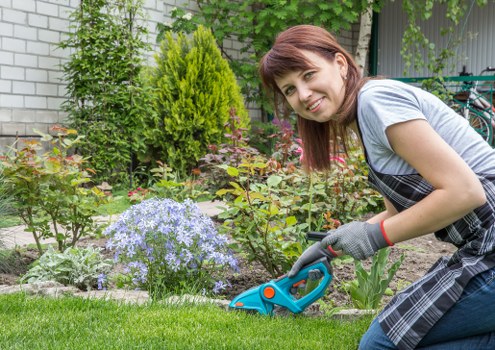
A steady trimming routine usually produces a better hedge than waiting until growth becomes difficult to manage. Regular cutting helps keep the outline compact, limits the need for more drastic correction and makes the hedge easier to integrate with the rest of the garden. It can also prevent a boundary from drifting into paths, lawns or neighbouring planting. In practice, the most useful schedule depends on how quickly the hedge grows and how much formal shape it is expected to keep.
Some customers prefer a neat, regular cut that preserves a crisp line all year, while others are content with a less frequent tidy that simply keeps the hedge from becoming intrusive. Both approaches can work well if the hedge is trimmed with consistency. The key point is that hedge care is easier when the plant is not allowed to become misshapen for long periods. That is one reason why we place emphasis on sensible maintenance rather than unnecessary overcutting.
If your hedge is part of a larger planting scheme or you are considering a more complete garden refresh, our landscaping page is useful for understanding how trimming can sit within broader outdoor improvements. For a simple start, just send a short enquiry and ask for a quotation.
Preparing for hedge trimming and arranging the work
Preparing for hedge trimming does not need to be complicated. It is usually enough to describe the hedge, say which sides need attention and mention anything that might affect access or finishing. If there are gates, narrow passages, slopes or features that need care, include those in your message. You do not need a long briefing, but a clear one is helpful. Photos can be useful where the hedge is unusually shaped or difficult to describe, especially for boundaries that change height or density along their length.
It can also help to think about what the hedge is meant to do after trimming. If it is mainly for privacy, the cut may be different from one intended to keep a low decorative border tidy. If you are looking after a shared edge or a front boundary, you may want the finish to be more precise and consistent. Once the work is complete, the hedge should feel like part of the garden rather than a separate feature, which is why a sensible brief matters from the beginning. Clear instructions save time and support a better outcome.
To move forward, use the contact details on the site and ask for a quotation in plain terms. If you would like to see the main service path before you enquire, our hedge trimming page gives a direct route to the relevant information.